

Can a mini split heat a basement in a Massachusetts winter
Send the form and the search for an installer is over.
Hand off the searchCan a mini split heat a basement in a Massachusetts winter?
A basement is the hardest room in the house to keep warm, and you want to know before you install anything whether a mini split can actually handle a Massachusetts winter down there, or whether you'll end up running a space heater alongside it once January hits.
Yes, if it's sized and installed for the basement's heat loss
A cold climate mini split is built to produce heat well below freezing, and Massachusetts winters fall within that range. What decides whether it keeps a basement warm isn't the cold outside, it's whether the unit matches how much heat the space loses. A basement with exposed concrete walls or little insulation loses heat faster than one that's finished and sealed, so a unit sized for a finished upstairs bedroom can fall short underground. An installer who measures the basement's own heat loss, rather than guessing from square footage, is what gets this right. Done that way, the mini split can carry the basement on its own through a Massachusetts winter without backup heat.

Summer dew points here average 60°F, according to NOAA climate data, and that's the number that matters for the same mini split you're asking to heat the basement in January. A unit sized to pull that kind of moisture out of the air all summer is a bigger unit than one sized just for winter heat. That works in your favor. When a mini split is sized for your summer, it usually has plenty of capacity left over for a basement in the cold months, since basements lose less heat to begin with than rooms with more exposed wall and window area. The same system that keeps the basement from feeling damp in July is a good sign it can keep it warm in February.
NASA POWER T2MDEW county cells weighted by homes




How a Cold Climate Mini Split Works
- A mini split heats by moving heat from outside air into the basement, not by burning fuel like a gas furnace.
- Below freezing, the outdoor unit runs a defrost cycle that briefly reverses the system to melt ice off its coil.
- Most cold climate mini splits hold their rated heat output down to 5°F, below that the output starts to drop.
- The indoor head in the basement needs to be sized to that room alone, not to the square footage of the whole house.
- A basement near bedrock or a walkout wall loses heat differently than an upstairs room, which changes where the unit should go.
- The outdoor unit needs clearance from snow drift and roof runoff so the defrost cycle can actually drain.
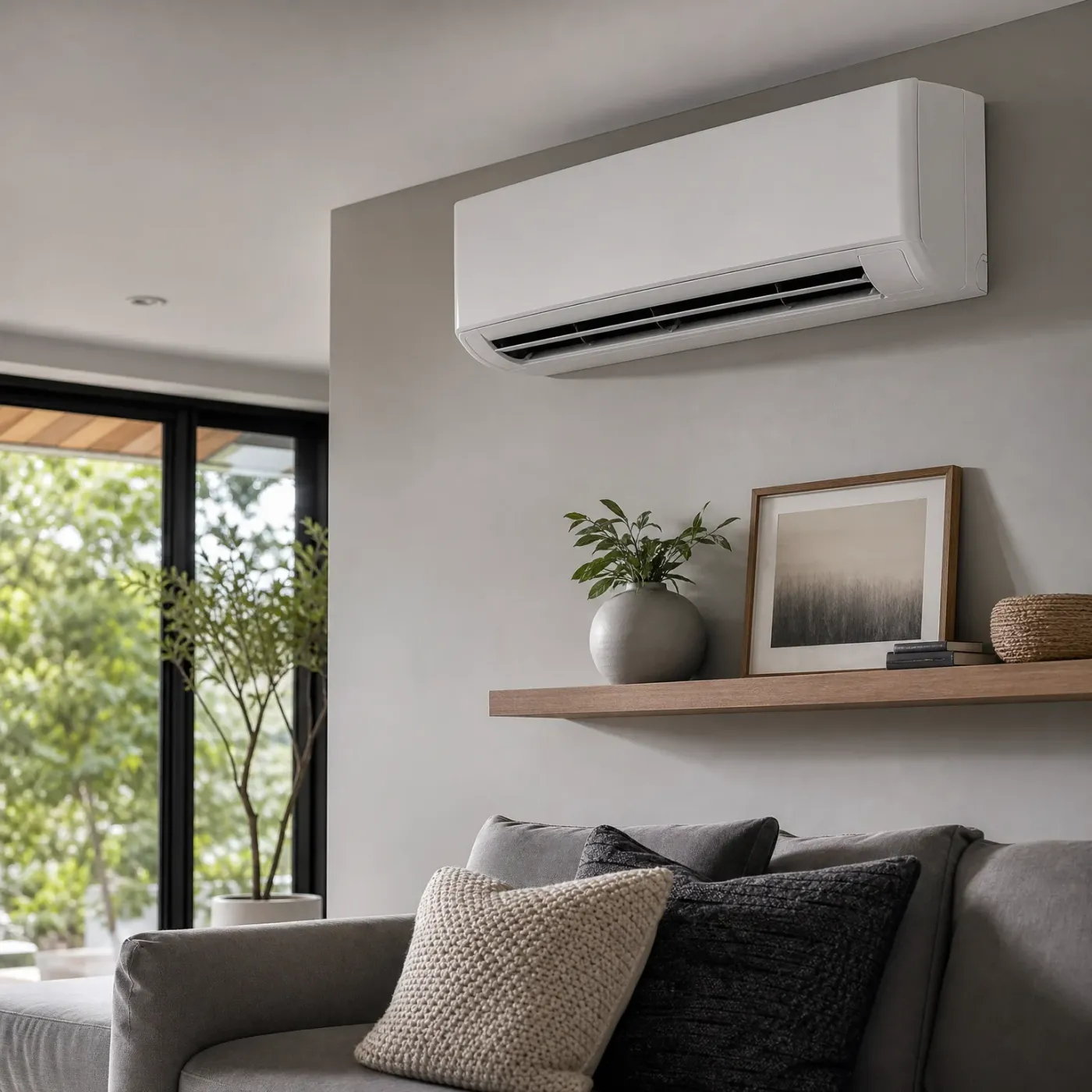
A mini split does not make heat the way a furnace does. It pulls heat out of the outdoor air, even cold air, and moves it inside through refrigerant lines to the head mounted in your basement. That is why the outdoor unit matters as much as the indoor one. When the coil outside gets cold enough to frost over, the system switches into defrost for a few minutes, running in reverse to melt that ice before it goes back to heating. You may notice the indoor head pause or blow cooler air during that cycle. That is normal and it is working as designed.
What matters for a Massachusetts basement is how the unit performs once temperatures actually drop. A cold climate model is built to hold its full rated heat output down to around 5°F. Below that, output tapers, which is worth knowing on the coldest nights of the year. The head itself should be sized to the basement alone, its square footage, its ceiling height, whether it is finished or open. A basement set against bedrock or with a walkout wall facing the yard loses heat on a different pattern than a room upstairs, and that affects where a contractor places the head for even coverage. Outside, the unit needs room to breathe. Snow drift against the cabinet or runoff dripping down from the roof above can block the defrost cycle from draining, and that turns a normal winter function into a real problem.



The indoor head in the basement pulls in the room's air.
Refrigerant in the outdoor unit absorbs heat from the cold outside air.
The compressor raises that heat to a usable temperature.
The indoor head releases the warmed air back into the basement.


It's off your list after this
One installer gets your project, so there's no bidding war over it.
Send the request and finding a pro stops being your problem.
You're not committing to anything by asking.
Why does the basement still feel cold with the mini split running
You walk downstairs and the head is blowing, but the air at your feet still feels thin and cool. Maybe the unit short cycles, shutting off a few minutes after it kicks on. Maybe it runs most of the day without the room ever catching up, and you notice the laundry down there stays damp longer than it should. On the coldest nights you might hear it switch into defrost and feel a brief gust of cool air before warm air comes back. A basement that won't hold heat pushes pipes and whatever you've got stored down there closer to freezing temperatures, and it leaves the rest of the house working harder to make up the difference.
Why basement ceiling height matters
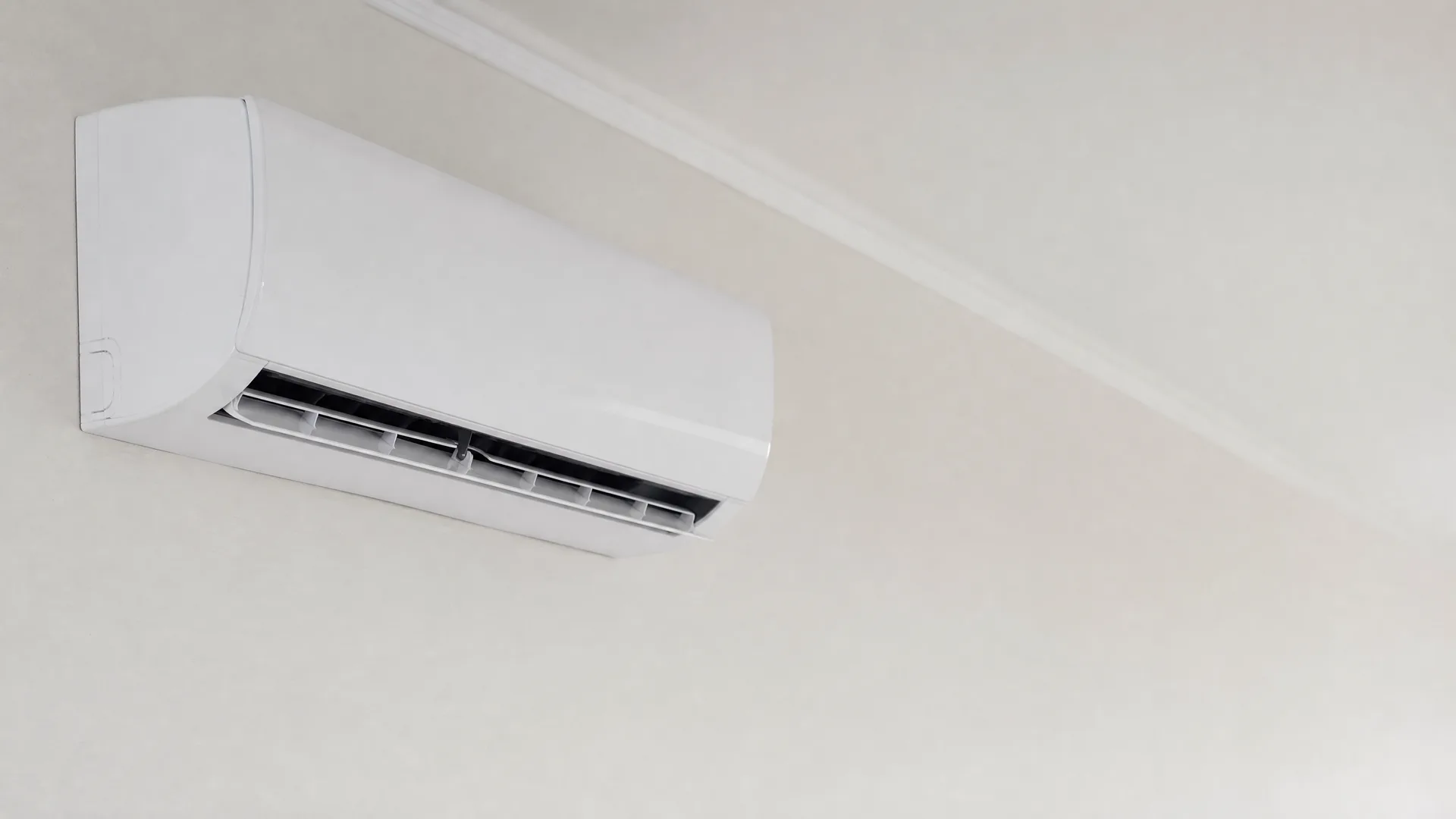
A basement head mounted where the ceiling is low sits closer to the floor than it would upstairs, so the warm air it throws has less room to mix before it reaches you. Most basements also have one or two small windows instead of the window area a living room has, so the head is working against concrete walls and a slab floor that both pull heat out of the air faster than drywall does.

What the compressor is built for
A cold climate compressor is built to ramp up output as the temperature drops, which is the opposite of how a standard compressor behaves. Massachusetts installers size the unit around the coldest night your basement sees, not around a mild January afternoon. That's why the model matters more than the brand name on the wall unit. Two units that look identical from the indoor side can have completely different compressors behind the wall outside.
A mini split can heat a Massachusetts basement through winter, but only if it's a cold climate model sized for that room, not a leftover unit picked for last summer's humidity. Get that match right and the basement holds its temperature the same way the rest of the house does. Get it wrong and you're back to space heaters by January. The sizing, the head placement, the ceiling height down there, all of it has to be worked out before the unit goes on the wall, not after. A local contractor who installs these systems in Massachusetts basements every winter has already seen which setups hold up against a hard freeze and which ones short cycle by February. Since this connects you with one contractor rather than several, you're dealing with someone who can actually walk through your basement and size the job to it, not a handful of strangers competing for the work. You came here with a specific question about a specific room. The answer is yes, with the right unit, installed the right way.

Mini Split Installation
Stop chasing a mini split pro

- Get in touch with a local installer about a new mini split.
- A local installer who puts in mini splits gets your project.

- One request and the search for a pro is handled.
- Send it once and finding someone is no longer on you.

- Describe the project once instead of to every installer.
- Skip collecting and comparing quotes for the new mini split.

- Your request goes to one pro, not a list of companies.
- The pro who reaches out is licensed in Massachusetts.