How cold is too cold for a mini split in Massachusetts

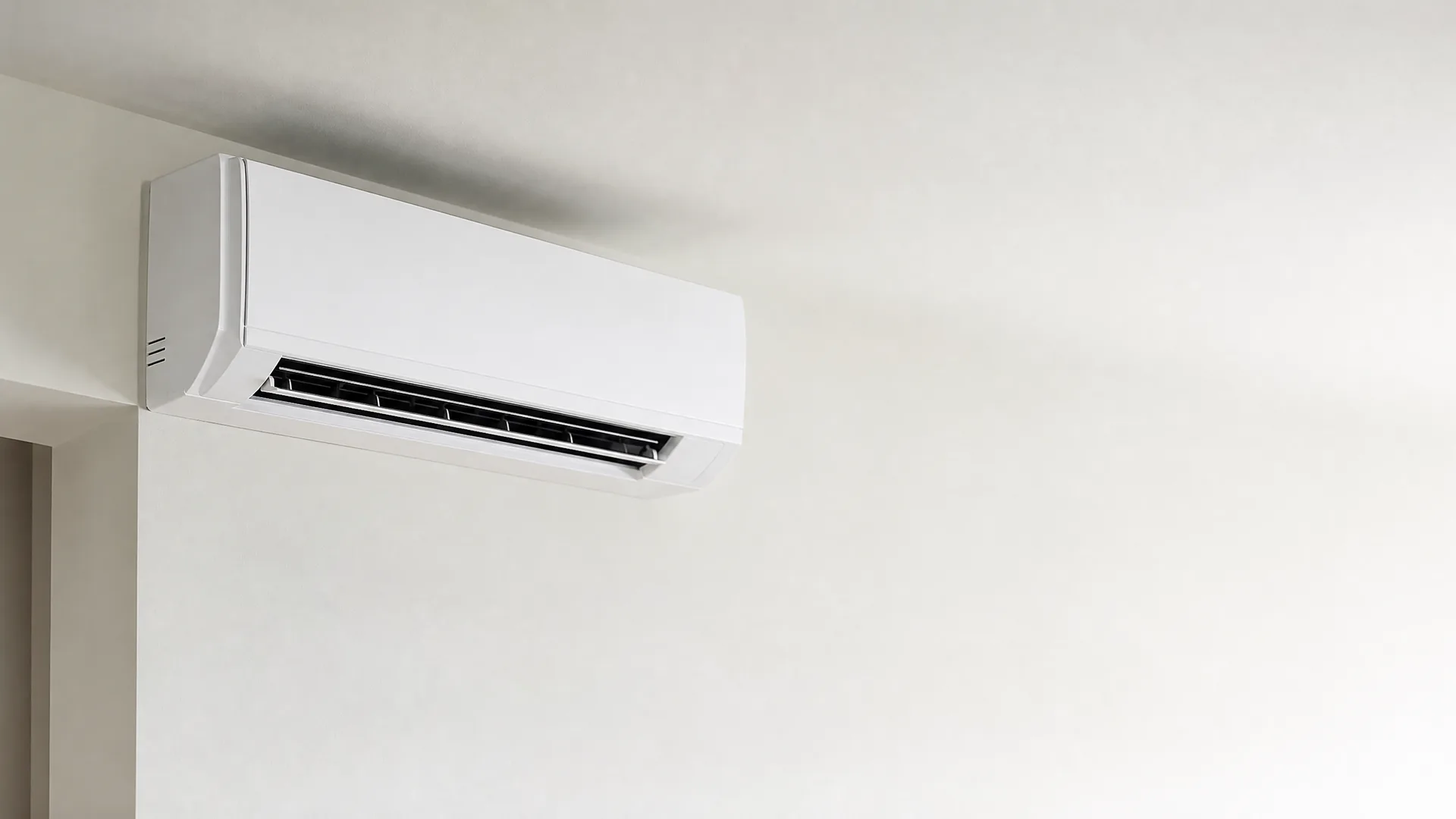
A white wall-mounted mini-split air conditioner indoor unit shown straight-on against a plain light gray background.
Let a pro reach out

Most mini splits sold today keep making heat down to about 5 degrees Fahrenheit, and some cold-climate models still work at -15 or lower. Massachusetts winters sit in that range most years, with the coldest nights dropping into single digits or just below zero inland. Below the unit's rated cutoff, the outdoor coil can't pull enough heat from the air, so output drops off and the system may switch to electric resistance heat or stop heating altogether until the air warms back up. The number that matters isn't a general rule, it's the rating on your specific unit. A standard mini split installed without cold-climate performance in mind may struggle on the hardest nights of the year here. The right model, sized and installed for Massachusetts winters, keeps running when the temperature drops and doesn't leave you without heat on the coldest night.

A white wall-mounted mini-split air conditioner on a beige interior wall, next to a window with sheer white curtains and green foliage outside.
Above 5 degrees or so, a cold-climate mini split heats the room the same as it does in October.
A dusty, discolored wall-mounted mini-split air conditioner indoor unit on a plain white wall, with its horizontal louvers and vent grille visible.
Below what the unit is rated for, it runs constantly and still loses the room to the cold.
A man with grey hair and stubble in a dark sweater sits on a grey sofa indoors, looking off to the side, with a potted plant and a sunlit window behind him.
A man with gray hair, a beard and glasses, wearing a dark green sweater, sits on a gray sofa in a sunlit living room with a potted plant, table lamp and wooden sideboard behind him.
A middle-aged man with graying hair and a short beard sits on a blue sofa in a living room, looking toward a window, with a bookshelf, lamp and framed picture in the background.
A man with graying curly hair and a dark green sweater sits on a gray sofa in a sunlit living room, looking off to the side, with a framed picture, shelving, an armchair and a window with sheer curtains behind him.

Standard or Cold-Climate Mini Split

Standard mini split

  • Rated to heat down to around 5 degrees, which covers most nights in Massachusetts most winters.
  • On a night that drops to 0 or lower, output falls off and a backup heat source has to carry the load.
  • Costs less to install than a cold-climate unit, since it doesn't need the extra components that keep output up in deep cold.
  • Fine for a home that already has gas heat and wants the mini split for shoulder-season and summer use.
  • Worth checking the rating against a typical cold snap where you live before deciding it's enough on its own.

Cold-climate mini split

  • Built to keep producing heat down to -15 or lower, so it can be the only heat source through a Massachusetts winter.
  • Costs more upfront than a standard unit, since the compressor and coil are built to work harder in extreme cold.
  • Makes sense for a home without gas heat, where electric resistance backup would otherwise run up the bill on the coldest nights.
  • Still needs the right size and the right installation to hit that low-temperature rating in practice, not just on paper.
  • A qualified installer sizes it to the room and the home, not just to the manufacturer's spec sheet.
A white wall-mounted mini-split indoor unit installed high on a gray interior wall, with a sofa, dark table and window visible in an adjoining room to the right.

Running fine in the cold

On a night in its range, the unit looks like this: quiet, steady, blowing warm air across the room. The louvers stay open, the coil underneath is doing its job, and the thermostat holds where you set it. This is what a properly sized and installed mini split looks like through a Massachusetts winter.


A wall-mounted mini-split air conditioner indoor unit with a dusty beige casing and dark louvered vent, installed near the ceiling on a plain beige wall.

Struggling to keep up

Dust and yellowing like this usually mean the unit has been running hard for a long time without a cleaning. Below its rated temperature, a mini split works the same way, straining to pull heat from air that barely has any. Add a dirty coil or filter and a cold night gets the room even less warm air.

Why does my place feel colder than the thermostat says

You set it to 70 and the room still feels like 65. The air coming off the indoor unit feels cool instead of warm, or it's running nonstop and never shutting off. These are signs the outdoor temperature has dropped below what your unit can handle. If you're relying on it as your only heat on a night near zero, the house will lose ground, and pipes along outside walls are the first thing at risk when a room can't hold heat. Most homes here have gas furnaces as backup, which is what the mini split was likely sized to supplement, not replace. If yours is working alone on the coldest nights, it may have been installed for a milder climate than this one.

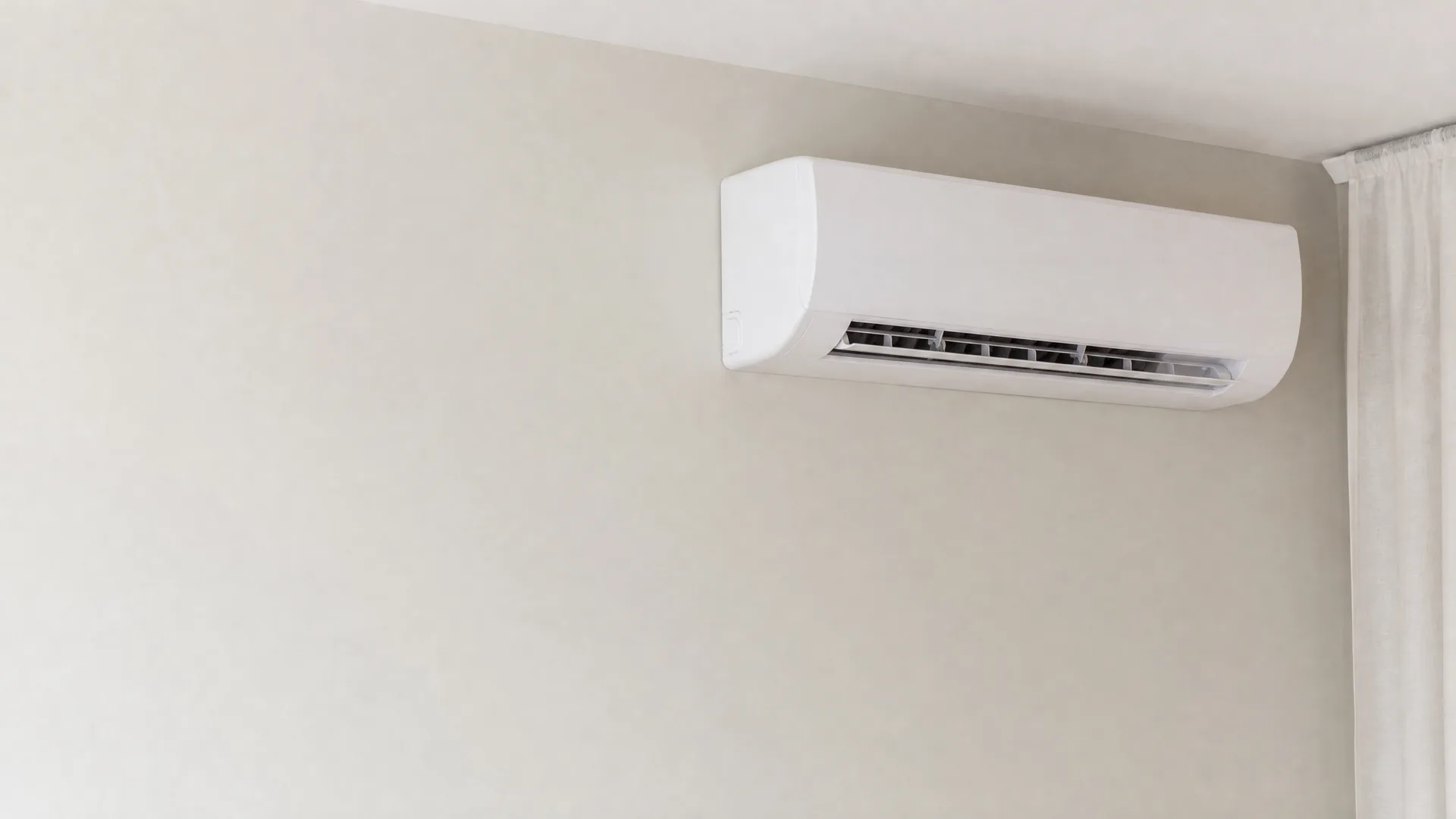
A white wall-mounted mini-split air conditioner unit high on a light gray interior wall, with a beige curtain and window at the left and wood-look flooring below.

Working the way it should

This is a mini split keeping up with the cold outside. Air moves steadily out of the unit, the louvers sit open, and the wall around it stays clean. Nothing about it needs attention tonight.

A dusty white wall-mounted mini-split air conditioner indoor unit with open louvers, installed near the ceiling on a plain light-colored wall.

A unit that's been struggling

Dust and grime built up along the vents like this usually mean the system has been running hard for a long time, often past what it's rated for. A unit pushed beyond its limit night after night wears faster, and the grime is often the first thing you can see of it.

A dusty, discolored wall-mounted mini-split air conditioner unit near the ceiling of a plain beige interior wall.
Before you get your mini split installation
A white wall-mounted mini-split air conditioner installed near the ceiling on a plain beige interior wall.
After you get your mini split installation

Let someone else find the pro

Your request stays with one local pro.

You're not committing to anything by asking.

A white wall-mounted mini-split air conditioner unit near the ceiling on a plain light-colored interior wall with open space to the right.

How the outdoor unit keeps up

A cold-climate mini split uses a compressor that can speed up or slow down depending on how hard it has to work. On a mild night it idles along, barely running. As the temperature drops, it ramps up, pulling more refrigerant through the system to pull heat out of air that has less of it to give. That's why the same unit can heat a room at 40 degrees and still do it at 10, just at a higher cost in electricity to get there.

A white wall-mounted mini-split air conditioner unit installed near the ceiling on a plain beige interior wall, with a light curtain at the right edge.

Sizing decides more than the spec sheet

Two homes can install the same mini split model and get different results once it's cold out. A unit sized to the room it's heating will run near the top of its range and still have more to give. One that's undersized for the space was already working hard at 30 degrees, so it has little left when a Massachusetts night drops toward zero. The rated low temperature on the box assumes the unit is matched to the room, not just plugged in and running.

Power costs 30.41 cents per kilowatt-hour statewide

At 30.41 cents per kilowatt-hour, every hour your mini split spends straining on a cold night costs more here than almost anywhere else. A unit sized and installed right for your home keeps up without running flat out all night, which is where the real savings are.

EIA-861 2025 statewide residential average

A woman with shoulder-length brown hair wearing a beige knit cardigan sits in a gray upholstered armchair near a window, looking off to the side with a slight smile, with bookshelves blurred in the background.
A woman with her hair in a bun holds a sleeping young child against her chest, both wrapped in a textured beige knit blanket on a sofa in a dimly lit room with a lamp, framed picture, and bookshelf behind them.

Where your mini split stands

  • A mini split rated for Massachusetts winters keeps a room warm on all but the coldest nights.
  • Below its rated temperature, the unit runs constantly and still can't hold the room at setpoint.
  • The fix isn't a different brand, it's the right unit sized and installed for your house.
  • A local installer who works on these units every winter knows which models actually hold up at 0 degrees here.
  • One licensed contractor takes the job, so you're not fielding calls from four different companies.
  • Getting the sizing and setup right the first time is what keeps the unit from struggling on the coldest nights.

Cold enough to matter is any night below what your unit is rated for. For most mini splits sold today, that's somewhere around 5 degrees. Massachusetts clears that mark most nights, most winters. The nights it doesn't are the ones where a correctly sized, correctly installed unit still earns its keep, and an undersized or poorly set up one falls behind no matter the brand name on it.

That's the part worth getting right before anything else. Two installers can put in the same model and get different results in your house, because sizing it for your rooms, your layout, and how cold it actually gets where you live is the job, not an afterthought to it. A contractor who works on these units all winter in Massachusetts has seen which ones hold up at 0 degrees and which ones are fine on paper but struggle once the wind picks up. That's not something you can check from a spec sheet.

When you send a request through this page, it goes to one licensed contractor local to you, not a handful of companies competing for the callback. You deal with one person who knows the job and the climate it has to work in, not a stack of quotes to sort through. That's the whole point of asking for this to be done properly. The equipment can do the job. Whether it does, in your house, on the coldest night of the year, comes down to who put it in.

A single-story stucco house at dusk with a lit paver walkway lined by low path lights, desert plants and boulders in front, and distant mountains under an orange and blue sky.

Mini Split Installation

One request and it's handed off

Step 1 of 3: Equipment
  • A beige upholstered armchair with an olive cushion sits in a sunlit corner beside a wooden side table holding a ceramic vase with leafy branches, under a framed abstract artwork, on a woven rug over a wood floor.
    • Get in touch with a local installer about a new mini split.
    • A local installer who puts in mini splits gets your project.
  • A gray outdoor condenser unit on a concrete pad surrounded by dark gravel, beside a dark wood-sided wall with an electrical disconnect box and a stone veneer wall with a small evergreen shrub.
    • Once you send the form, finding a pro is off your list.
    • After you send the request, you're done searching.
  • A beige upholstered oversized armchair with a matching cushion and a knit throw draped over one arm, beside a round wooden side table holding a vase of greenery near a curtained window, with a framed landscape print on the wall and a woven rug on a wood floor.
    • Skip collecting and comparing quotes for the new mini split.
    • Skip the round of in-home estimates for a new mini split.
  • Sunlit living room corner with a beige upholstered sofa, cushion and knitted throw, a round wooden side table holding a white ceramic vase of leafy branches and a small wooden bowl, a framed landscape painting on the wall, and a window at right.
    • One installer gets your project, so there's no bidding war over it.
    • The pro who reaches out is licensed in Massachusetts.